An Erhu's Adventure in Canada - An Autobiography.
A brief reflection on learning erhu in Canada, building a cultural orchestra, and sharing music across communities through performances and jazz.
Published • 5 min readA brief reflection on learning erhu in Canada, building a cultural orchestra, and sharing music across communities through performances and jazz.
Published • 5 min readUsing a Gravity heart rate module and an Arduino, I recorded my own ECG while reading Pride and Prejudice, scrolling Instagram reels, and meditating, to see which activity actually calms the nervous system.
Published • 4 min readAdapted from an autobiography assignment in MUS215: Performing Arts of East Asia, at the University of Toronto.
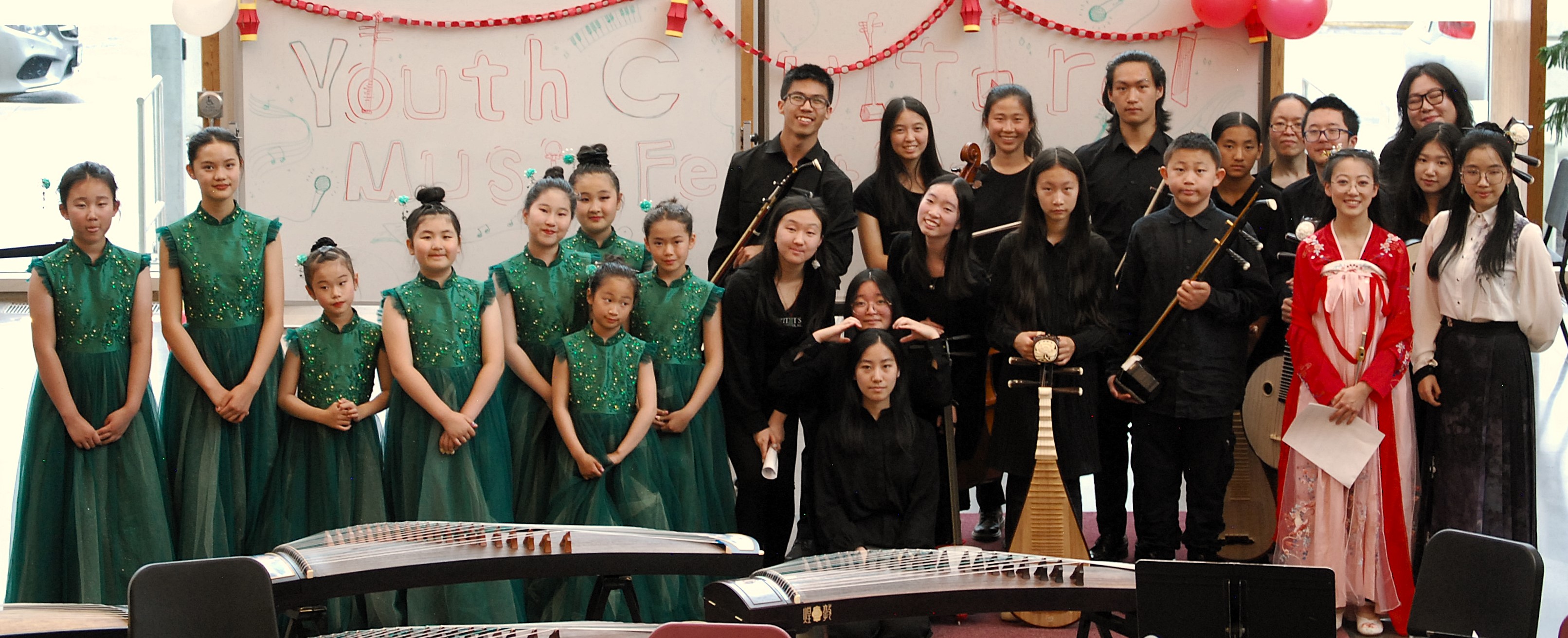
To those who are interested in learning a bit about my music journey in Canada, may you enjoy this brief narrative.
Music has only been a part of my life for a little under five years, yet it has shaped who I am today. What began as learning an instrument became a way for me to understand the world and my place in it. As an erhu player living in Canada, I had the unique opportunity to share music across cultures, to have my adventure both inspire and be inspired by the communities along the way.
Since I was a child, my mother has been wanting to put me in piano lessons — like what the “other” Asian kids are doing. However, I dreaded the prospect of staring at the black and white keys of the piano, having to practice scales over and over again. One day, though, when I saw on Bilibili a video of an erhu performing various popular songs, I was amazed by the musical experience stemming from the fusion of the traditional and the contemporary. Thus, beginning from my interest in being different to genuinely enjoying erhu, I started taking music lessons and engaged more and more in my local music community.
To find community, I started a cultural orchestra in my high school, as there were none close to my city. Initially, as one can imagine, it was difficult to gather traditional instrument players in a Canadian high school. I attempted everything I could, making announcements in the music program, doing performances on Clubs Day, and reaching out to people directly. Cultural Orchestra slowly grew in members and developed rehearsal routines. We were lucky to not just have traditional Chinese instruments like erhu and guzheng, but also a Japanese instrument, the Shamisen as well as Western instruments like piano and guitar. To arrange music for all the instruments to fit together, I had to research their unique playing techniques and listen to various pieces to understand what parts can be most comfortably played. Through this process, I strengthened and expanded my connections with cultures around the world.
One of my most rewarding performing experiences was at an anime convention with my Cultural Orchestra. I was (and still am 😉) a creative leader, and I wanted to bring the beauty of cultural instruments to others. Therefore, being an anime enthusiast myself, I signed my orchestra up to a local anime-con as performers.
We rehearsed three songs, Senbonzakura, Big Fish & Begonia, and Forgotten Words; they are, respectively, a famous J-Pop song, theme from a Chinese animated film, and OST from a Japanese game. I believed that our song choices encompassed a variety of genres and tempos while being enjoyed by our audiences, and still making arrangements that suit traditional instruments. Between each song, we offered a short presentation of our traditional instruments. In my presentation of the erhu, I showcased the python skin sound box and imitated horse gallops, highlighting the unique timbres of traditional instruments.
The performance was a massive success. Although we were placed in a panel room instead of the main stage, we garnered a huge audience that flooded the room and even onto the hallways. In our final piece, Senbonzakura, I felt pumped up by cheers and applause that filled the room. Fuelled by excitement and mutual trust, everyone in the orchestra seemed to have become one, mastering difficult solos and harmony. After the performance, several strangers walked up to us, some asking to take a closer look at our instruments and some sharing that our music had inspired them to rewatch the Big Fish & Begonia film.
The fulfillment of sharing beautiful music and culture with others makes my world bigger, and this performance has left a mark in my heart because it narrates a story, that it is possible to create extraordinary moments — as an ordinary person.
Continuing to share music with others, I wanted to get to know people in the music program so I joined the jazz band in my school. Thanks to my supportive and open-minded jazz teacher, I joined the trumpet section with my Erhu. In jazz, I learned how to read the western music notation and got exposed to a variety of styles I never heard before. Swing, Blues, Bossa Nova, jazz music offers more than just auditory experience; it put your whole body and soul into motion, instantaneously lighting up your mood.
In university, I was part of the Stageband Blue, a jazz combo for engineering students. A jazz combo emphasizes on individual improvisation (soloing) instead of written harmony. Being in a jazz combo challenges me because I have never tried improvisation before, let alone improvising jazz music in a professional setting. I dedicated time to practice jazz scales and listened to chord progressions again and again to improvise a suitable melody. Although I still struggled to bring out the “jazz feeling” carried by, for example, a saxophone, on my Erhu, I learnt to compose groovy melodies, as well as listening for others in the band to choose the matching rhythm. As a result of my jazz experience, I took on a more diverse approach towards music. In Jazz bands, people often say “there is no wrong note in jazz.” Although holding doubts about this statement, I could now accept more forms of music and the culture where they come from. Music doesn’t need to be overly serious or follow a rigid set of rules. It could fun and extremely creative.
I had a unique musical adventure, playing a Chinese traditional instrument in Canada, sharing musical experiences with friends, and getting exposed to many interesting cultures and styles. By organizing a cultural orchestra, I learned to balance the needs of my members, that music could mean dedicating to a successful performance to a large audience or enjoying moments of connections with a small group of friends. Through different worldviews, the meaning of music changes, with no interpretation being less valid than another. Engaging in jazz bands, I became grateful for the inclusiveness of Canadian jazz communities, that an erhu could be welcomed and celebrated. Structure masters the art, but openness inspires possibilities.
To me, music is more than a performance art. It creates. It connects. It inspires. And it will always be a part of my adventure.